

Medical Review: This content is supervised and verified by
Dr. Carlos Portinha.
When planning a hair restoration journey, the modern patient faces an overwhelming sea of choices, before-and-after galleries, and competitive all-inclusive packages. However, as the medical tourism landscape evolves, savvy patients are realizing that the ultimate luxury in hair transplantation isn’t a five-star hotel—it is uncompromised surgical safety, long-term donor health, and strict regulatory accountability.
Spain has rapidly emerged as Western Europe’s premier hub for premium hair restoration. Unlike budget destinations operating outside the European Union, Spain offers a sophisticated medical infrastructure governed by some of the world’s strictest healthcare laws.
This comprehensive guide analyzes the legal frameworks, mandatory certifications, and medical standards that safeguard your health when undergoing a hair transplant in Madrid, Barcelona, Valencia, or any other Spanish medical hotspot.
1. The Spanish Legal Framework: Who is Legally Allowed to Operate?
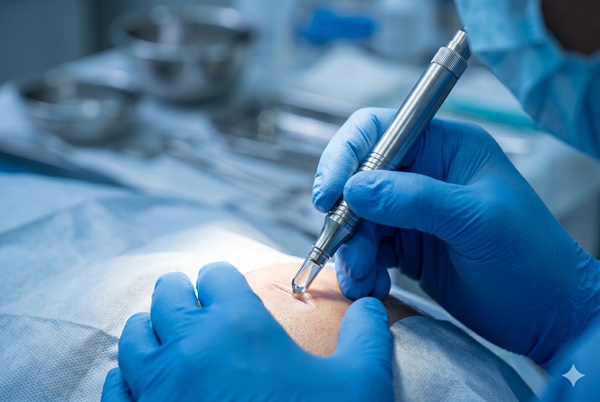
One of the biggest hidden risks in the global hair transplant industry is the phenomenon of “ghost doctors”—clinics where a licensed surgeon signs the paperwork, but unlicensed technicians perform the actual extractions and incisions.
In Spain, the legal boundaries governing surgical acts are exceptionally clear and strictly enforced by the Ministerio de Sanidad (Ministry of Health) and local Colegios Oficiales de Médicos (Official Medical Colleges).
The Definition of a “Surgical Act”
Under Spanish law, follicular extraction (FUE) and the creation of recipient channels are strictly classified as minor ambulatory surgeries. Consequently:
- The Doctor Must Perform the Surgery: Only a fully qualified, licensed medical doctor registered with a regional Spanish Medical College can legally perform the surgical phases of a hair transplant.
- The Role of Technicians: In a certified Spanish clinic, specialized technicians and nurses are strictly restricted to non-surgical support roles, such as sorting, counting, hydrating, and preparing the follicular units for implantation under a microscope.
How to Verify Your Surgeon in Spain: Every legitimate doctor in Spain possesses a unique five-digit or nine-digit collegiate number (número de colegiado). Before booking your surgery, you can instantly verify your surgeon’s credentials, active status, and registered specialty through the public database of the Consejo General de Colegios Oficiales de Médicos (CGCOM).
2. Clinic Accreditations and Sanitary Inspections
A premium hair transplant requires an environment that minimizes the risk of cross-contamination and post-surgical infections to absolute zero. In Spain, a hair transplant cannot be performed in a standard office or beauty salon; it requires a specialized clinical license.
Operating Room Standards: Quirófano de Cirugía Menor Ambulatoria
Spanish hair transplant clinics must be officially authorized as centers for Minor Ambulatory Surgery. To obtain and maintain this license, facilities undergo rigorous, unannounced inspections by regional health authorities (Inspección de Sanidad). These inspections enforce strict criteria:
- Air Filtration and HVAC Systems: Advanced ventilation systems designed to keep the surgical air completely sterile, preventing airborne bacterial infections during long FUE or DHI mega-sessions.
- Emergency Preparedness: By law, even for local anesthesia procedures, Spanish clinics must be equipped with professional resuscitation equipment, emergency oxygen supplies, and a direct, legally binding protocol with nearby major hospitals for immediate transfer in the rare event of a medical emergency.
- Autoclave Sterilization: Every single surgical tool—whether it is a manual punch, a motorized FUE micromotor, or a sapphire blade—must pass through strict chemical and thermal autoclave sterilization cycles, tracked by digital batch logging to ensure absolute accountability.
3. European Union Standards: Device and Bio-Safety Compliance
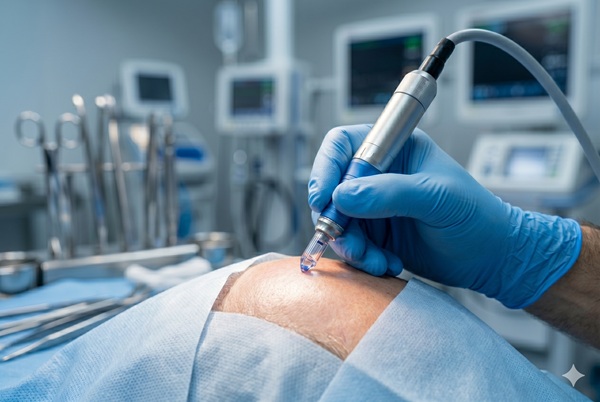
Operating within Spain means that every piece of medical technology, every local anesthetic, and every preservation solution used during your hair transplant must comply with European Union directives.
CE Marking for Surgical Tools
In budget medical tourism destinations, clinics often save costs by utilizing cheap, non-standardized punches or unverified steel blades imported from unregulated markets. In Spain, all medical devices must carry the CE Mark (Conformité Européenne).
Whether your surgeon utilizes Sapphire FUE micro-blades or specialized Choi Implanter Pens (DHI), these tools have undergone exhaustive biomedical testing to guarantee they do not leach toxins into the scalp, maintain optimal sharpness to avoid tearing tissue, and cause minimal micro-trauma to the surrounding donor area.
Graft Preservation Protocols
The period between follicle extraction and re-implantation is critical for graft survival. Spanish clinics adhere to EU bio-safety protocols, utilizing advanced hypothermic storage solutions (such as HypoThermosol or custom ATP-infused saline buffers) held at precise temperatures (4°C). This rigorous control prevents ischemia-reperfusion injury, ensuring that when the follicle is placed back into your scalp, it possesses the maximum possible viability.
4. International and National Medical Societies to Look For
While state regulations provide the baseline for safety, elite Spanish hair transplant surgeons voluntarily align themselves with prestigious national and international medical societies. When auditing a clinic on Spain Hair Index, look for credentials from the following organizations:
ISHRS (International Society of Hair Restoration Surgery)
The ISHRS is the global gold standard for medical ethics and education in hair loss treatment. Membership signifies that a surgeon is dedicated to continuous medical education, follows the highest ethical guidelines, and actively fights against the proliferation of illicit, technician-led black-market clinics worldwide.
ABHRS (American Board of Hair Restoration Surgery)

Finding a surgeon in Spain who is a diplomate or member of the ABHRS indicates an elite level of expertise. It means the doctor has passed rigorous oral and written clinical examinations dedicated exclusively to the science of hair restoration.
Local European Bodies: EHRS and SILATC
- EHRS (European Hair Research Society): Focuses on the deep dermatological and trichological science behind hair follicle regeneration.
- SILATC (Sociedad Iberolatinoamericana de Trasplante Capilar): A highly respected organization unifying the top hair transplant surgeons across Spain, Portugal, and Latin America, ensuring localized epidemiological and clinical excellence.
5. Summary: Spanish Standards vs. Budget Non-EU Destinations
To help you understand the tangible benefits of choosing an EU-regulated destination like Spain, consider the structural differences in safety and quality control:
| Safety Metric | Spanish EU-Regulated Clinics | Budget Non-EU Medical Tourism Hubs |
|---|---|---|
| Primary Operator | Legally restricted to licensed, registered medical doctors. | Frequently performed entirely by unlicensed technicians. |
| Facility Oversight | Regular, unannounced inspections by EU/Spanish health inspectors. | Often self-regulated or operating under relaxed local laws. |
| Device Standardization | Mandatory CE-marked surgical tools and biocompatible metals. | Unverified, mass-produced tools to cut operational overheads. |
| Emergency Infrastructure | Mandatory on-site life support equipment and direct hospital links. | Variable; often lacking immediate intensive care backup protocols. |
| Graft Survival Focus | Artistic design based on long-term donor health and natural density. | “Over-harvesting” risks to claim artificially high graft numbers. |
6. The Patient Safety Checklist for Spain
If you are currently evaluating clinics in Madrid, Barcelona, Marbella, or other regions of Spain, use this quick, scannable safety checklist during your initial consultation:
- ☐ Verify the Collegiate Number: Did the clinic provide the surgeon’s full name and número de colegiado? Have you checked it on the CGCOM portal?
- ☐ Confirm Doctor Involvement: Will the doctor personally perform the extractions and channel openings, or do they hand the surgical phases off to assistants?
- ☐ Ask About the Anesthesia Protocol: Does the clinic offer needle-free advanced local anesthesia? Is there a medical history screening process to check for allergies or cardiovascular sensitivities before administration?
- ☐ Review Post-Op Support: Does the clinic offer in-person follow-up care? Is there a designated medical professional available to address immediate concerns during the critical first 72 hours post-surgery?
Conclusion: Investing in Long-Term Peace of Mind
A hair transplant is a permanent alteration to your face and scalp. While a lower price tag abroad can be tempting, the hidden costs of poor sterilization, over-harvested donor areas, and unnatural hairline designs can lead to expensive, stressful corrective surgeries.
By choosing to undergo your procedure in Spain, you are buying into a system designed from the ground up to protect your rights, your health, and your aesthetic future. The strict adherence to Spanish medical law, combined with world-class surgeon expertise, makes Spain one of the safest, most reliable environments for hair restoration anywhere on the globe.
Medical fact-checked by the SpainHairIndex Editorial Team.
Leave a Reply