
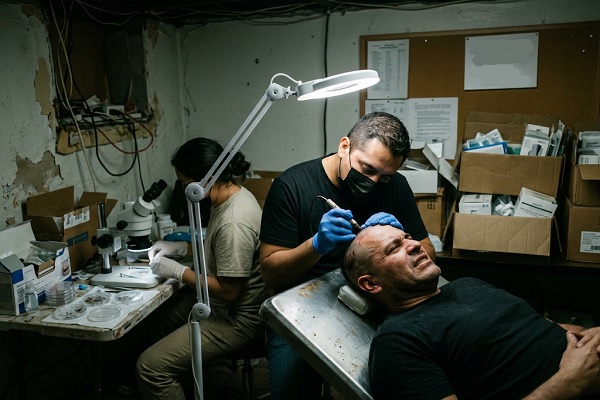
Every year, thousands of men and women travel or look locally for affordable solutions to hair loss, but a dangerous underground network has quietly established itself across major cities. Today, black market hair transplants in Spain are operating out of residential apartments, converted basements, and unlicensed aesthetic centers, bypassing strict national healthcare regulations. These clandestine operations lure vulnerable patients with aggressive social media advertising and drastically lower prices. However, behind the polished online storefronts lies a alarming reality of untrained staff, unsterilized equipment, and severe health risks.
⚠️ Avoid Risks in Your Hair Surgery
Before making a decision, check our comparison of accredited hair transplant clinics in Spain to verify sanitary licenses, medical teams, and real patient reviews.
The Underground Network: How Clandestine Clinics Operate in Plain Sight
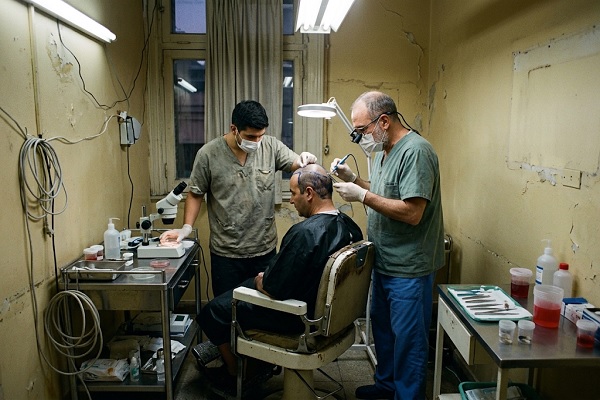
Substandard hair restoration centers do not look like traditional hospitals or surgical facilities. Instead, illegal operators rent private apartments or commercial spaces registered under general cosmetic licenses. They install basic medical furniture and perform complex surgical procedures behind closed doors without municipal authorization.
These unauthorized centers deliberately exploit legal gray areas. In Spain, opening a legitimate surgical center requires rigorous inspection by regional health authorities. Unlicensed operators bypass this official approval process entirely. They operate quietly until patient complaints or health inspections force them to move to a new location under a different business name.
The Mechanism of Deception: How Illegal Clinics Evade Sanitary Inspections
Clandestine clinics survive through sophisticated tactics designed to deceive health inspectors and consumers alike. Understanding these mechanisms reveals how deeply entrenched the issue has become in urban centers.
- Dual-front business models: Many illegal operations register as basic beauty salons or massage parlors. They handle public inquiries for minor cosmetic routines upfront while conducting invasive hair transplant surgeries in back rooms.
- Unqualified medical personnel: To maximize profit margins, rogue clinics hire technicians or foreign workers without medical credentials in Spain. In many cases, non-physicians handle crucial surgical steps, including graft extraction and channel creation.
- Mobile surgical teams: Some organizers operate without a permanent address. They move medical tools between rented rooms on demand, making it exceptionally hard for sanitary officers to track their activities.
- Deceptive social media marketing: Illegal centers publish stolen before-and-after photos on Instagram and TikTok. They fake customer reviews and use targeted ads to attract patients seeking budget options.
Health Risks: The Permanent Consequences of Unregulated Surgeries
Opting for cheap, unauthorized hair restoration carries serious clinical risks. Legitimate clinics maintain strict aseptic environments to protect patient health. In contrast, black market hair transplants in Spain frequently take place without proper sterilization protocols, leading to severe medical complications.
Infection ranks among the most immediate dangers. Non-sterile instruments transfer bacteria directly into deep tissue layers during graft extraction and implantation. Untreated infections can lead to severe necrosis, permanent scarring, and systemic health risks.
Over-harvesting donor areas presents another permanent danger. Unqualified operators frequently over-extract hair follicles from the back of the scalp. This reckless approach permanently destroys the donor zone, leaving patchy, unnatural bald spots that legitimate surgeons cannot repair later.
Comparison: Licensed Medical Centers vs. Clandestine Operations
| Key Aspect | Accredited Spanish Clinics | Unlicensed / Black Market Clinics |
|---|---|---|
| Sanitary License | Official U.48 regional health registration | None, or registered as a basic beauty salon |
| Surgical Staff | Board-certified medical doctors | Unlicensed technicians or foreign workers |
| Sterilization Protocols | Hospital-grade autoclaves & single-use tools | Inadequate hygiene, reused equipment |
| Post-Operative Care | Structured follow-ups & medical emergencies | No medical support after payment |
Regulatory Framework in Spain: What the Law Demands
Spanish health law clearly regulates hair transplantation as a medical-surgical procedure. Only licensed medical doctors with specific training can perform hair restoration surgeries. Furthermore, facilities must obtain official authorization before offering invasive procedures.
Substandard clinics openly violate these legal standards. Performing surgical procedures without a medical license constitutes a criminal offense under Spanish law. Furthermore, operating an unauthorized healthcare center violates public health statutes, leading to immediate closure and severe financial penalties.
How Patients Can Identify and Avoid Substandard Clinics
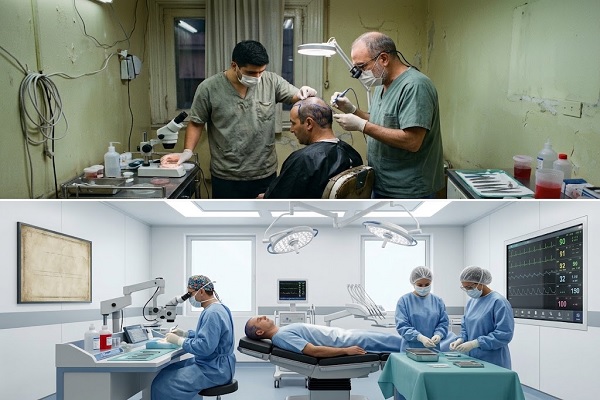
Protecting yourself against illegal operators requires thorough research before booking any consultation. Verified medical centers always display their official registration numbers clearly on their website and physical facilities.
Patients should always verify the medical doctor directly. Request the full name and medical council registration number of the surgeon who will perform the operation. In Spain, you can verify any doctor instantly through the official OMC public register.
Be cautious of extremely low prices. High-quality hair transplants require specialized medical staff, advanced technology, sterile single-use materials, and ongoing post-operative care. Prices far below the national average usually indicate compromised safety, unlicensed staff, or illegal facilities.
Choosing Safety and Excellence in Spanish Hair Restoration
Spain remains home to world-renowned hair restoration specialists and state-of-the-art clinics that adhere to the highest international standards. However, the rise of illicit operations highlights the necessity of patient diligence.
Prioritizing health and long-term results over upfront savings ensures a successful restoration journey. By selecting certified clinics with proven medical oversight, patients secure safe procedures and natural, lifelong results.
Frequently Asked Questions About Black Market Hair Transplants in Spain
Are black market hair transplants in Spain common?
How can I verify if a hair transplant clinic in Spain is legal?
Who is legally allowed to perform a hair transplant in Spain?
What are the risks of getting a hair transplant at an unlicensed clinic?
Medical fact-checked and reviewed by SpainHairIndex Editorial Board
Leave a Reply