
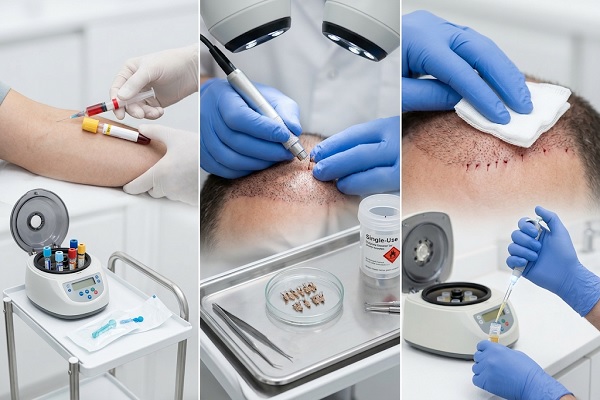
Planning a hair transplant or advanced scalp rejuvenation treatment in Spain means navigating a world-class healthcare system known for exceptional safety standards. Platelet-Rich Plasma (PRP) therapy has become a cornerstone of modern hair restoration, helping thousands strengthen existing follicles, accelerate post-surgical healing, and fight progressive thinning. However, because PRP relies on extracting, processing, and reinjecting autologous blood, Spanish healthcare authorities regulate it far more strictly than standard cosmetic procedures. Understanding the legal guidelines and clinical protocols governing blood safety in hair restoration ensures you receive effective, compliant care at top-tier Spanish clinics.
Looking for verified hair restoration clinics in Spain?
Explore our curated directory and compare accredited medical centers compliant with AEMPS safety standards on Spain Hair Index.
What Is PRP and Why Is It Regulated as a Medicinal Product in Spain?
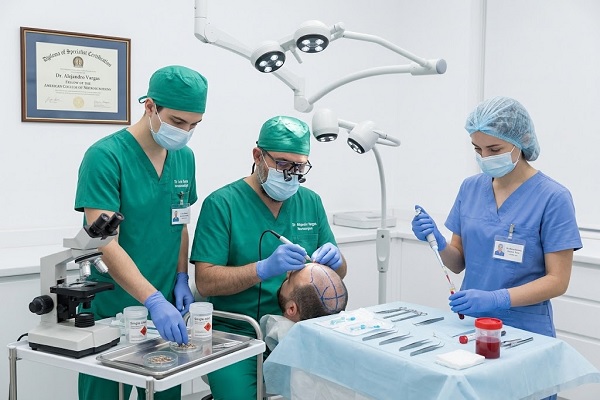
Platelet-Rich Plasma uses concentrated platelets from your own blood to stimulate hair growth. Doctors draw a small sample of your blood, process it in a centrifuge to separate growth factors, and inject the plasma back into your scalp. These biological growth factors revive dormant hair follicles, increase blood flow, and improve hair diameter.
Because the procedure involves human biological material, safety regulations must be rigorous. Spain enforces some of the strictest medical standards in Europe. In 2013, the Spanish Agency of Medicines and Medical Devices (AEMPS) published a landmark directive. This ruling officially classified autologous PRP as a medicine for human use. Spain treats harvested blood components with the same strict oversight applied to manufactured therapeutic drugs.
This legal classification protects patients from contamination, unsafe handling, and unqualified practitioners. Clinics in Spain cannot treat PRP as a casual salon service or basic beauty routine. Every clinic must follow standardized clinical procedures, obtain specific health authorizations, and employ licensed medical staff.
AEMPS Safety Standards and Mandatory Medical Protocols
The AEMPS classification creates clear legal boundaries for medical practices offering PRP therapy across Spain. Clinics must adhere to two distinct preparation models, depending on their technical setup and equipment:
- Closed Systems: These single-use, commercially approved kits process blood without exposing it to open air. The closed circuit minimizes contamination risks and guarantees maximum sterility during centrifugation.
- Open Systems: Clinics using custom laboratory equipment must operate under accredited cleanroom conditions. These facilities require formal inspection and explicit authorization from regional health authorities.
Furthermore, medical staff must record every session in the patient’s official medical history. The clinic must track lot numbers, centrifugation speeds, equipment validation dates, and final administration points. Spain Hair Index lists facilities that maintain full traceability for every autologous blood procedure.
Who Can Legally Perform PRP and Hair Restoration in Spain?
Under Spanish healthcare law, extracting blood and administering autologous biological treatments are strictly medical acts. Non-medical staff, estheticians, or unsupervised technicians cannot perform blood draws or scalp injections. Only a licensed physician with specialized training can prescribe, direct, and execute PRP injections.
Surgical hair restoration involves both medical and technical steps. The table below outlines the legal hierarchy, responsible personnel, and safety requirements across every phase of hair restoration in Spain:
| Requirement / Parameter | Closed System (Commercial Kits) | Open System (Lab / Cleanroom) |
|---|---|---|
| Plasma Air Exposure | None (sterile closed circuit) | Requires controlled environment (laminar flow hood) |
| AEMPS / Health Authorization | CE marking of the extraction kit | Technical inspection and explicit authorization of the facility |
| Authorized Personnel | Physician / Nurse under prescription | Physician / Accredited laboratory staff |
| Mandatory Traceability | Kit lot, centrifugation and HCL record | Lot, equipment validation and HCL record |
| Contamination Risk | Minimal (single-use disposable) | High if cleanroom protocol is not followed |
Key Patient Safeguards in Spanish Hair Clinics
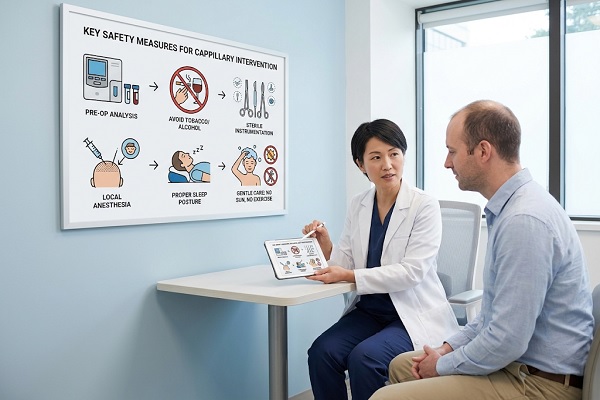
Spain’s comprehensive legal framework offers several distinct advantages for domestic and international patients seeking regenerative hair therapy:
- Informed Consent Protocols: Doctors must give patients clear written details explaining risks, expected outcomes, and biological handling before starting treatment.
- Sterile Processing Standards: Certified centrifuges prevent cell destruction and eliminate cross-contamination risks.
- Physician Responsibility: A licensed medical doctor remains legally liable for diagnosis, prescription, execution, and follow-up care.
- Regulatory Audits: Regional health inspectors conduct unannounced visits to verify facility hygiene, equipment calibration, and waste disposal safety.
Understanding blood safety in hair restoration allows patients to select clinics with complete confidence. When researching options on Spain Hair Index, always verify that the facility displays its official medical center registration number (Código NISA or C.S. code).
How to Verify a Clinic’s Compliance and Blood Safety Protocols
Before booking a consultation or scheduling hair restoration treatments in Spain, take proactive steps to confirm facility accreditation. Ask the clinic key safety questions during your initial evaluation:
- Is a licensed medical doctor personally performing the scalp injections?
- Does the facility use certified closed processing systems for blood centrifugation?
- Is the medical center registered with the regional Ministry of Health?
- Does the clinic maintain clear protocols for managing potential adverse reactions?
Reputable medical centers welcome these inquiries. They willingly share accreditation details, physician credentials, and quality assurance certificates. Choosing a fully compliant clinic guarantees high safety standards and reliable cosmetic results.
Frequently Asked Questions About Blood Safety in Hair Restoration
Is PRP legally considered a drug in Spain?
Yes. In 2013, the AEMPS officially classified autologous Platelet-Rich Plasma as a medicinal product for human use. This legal status mandates strict medical supervision, sterile processing standards, and mandatory physician administration across all Spanish healthcare facilities.
Who is allowed to inject PRP into the scalp in Spain?
Only licensed medical doctors or qualified healthcare professionals working under direct medical supervision can legally administer PRP injections in Spain. Non-medical staff, beauty technicians, and estheticians are legally prohibited from performing blood draws or scalp injections.
How do Spanish clinics ensure blood safety during hair treatments?
Spanish clinics enforce blood safety through certified closed extraction systems, single-use disposable equipment, strict cleanroom protocols, and complete medical traceability. Regional health authorities regularly inspect facilities to verify compliance with national safety laws.
Why should I check a hair clinic’s medical registration number in Spain?
A official health registration number confirms that the facility meets rigorous safety, hygiene, and staffing regulations required by Spanish law. It guarantees that the clinic operates legally under authorized healthcare oversight for surgical and regenerative procedures.
Medical fact-checked and reviewed by SpainHairIndex Editorial Board
Leave a Reply