
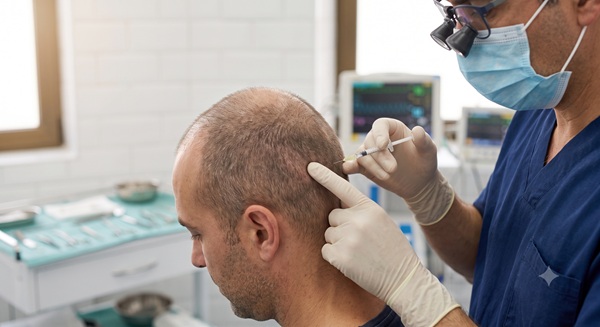
When prospective patients research hair restoration in Spain, their primary concerns usually center on graft survival, density, and choosing a reputable clinic. However, for a significant percentage of individuals—particularly those prone to anxiety or underlying cardiovascular sensitivities—the most nerve-wracking phase of the procedure isn’t the extraction or implantation, but the local anesthesia.
Questions surrounding needle pain, systemic absorption of lidocaine, and the cardiac effects of epinephrine (adrenaline) drive extensive online searches. Understanding the strict regulatory landscape in Spain, dosage limitations, and patient safety protocols provides crucial clarity for anyone considering a hair transplant in the country.
Key Safety Highlights in Spain:
- Regulatory Body: Strict oversight by the Spanish Agency of Medicines and Medical Devices (AEMPS).
- Primary Anesthetics Used: Lidocaine, Articaine, and Bupivacaine combined with epinephrine.
- Maximum Safe Lidocaine Dose: 4.5 mg/kg (plain) or up to 7 mg/kg (with epinephrine).
- Pain Mitigation: Widespread adoption of needle-free jet injectors, vibrating anesthesia tools, and mild oral/intravenous conscious sedation.
The Anatomy of Local Anesthesia in Hair Restoration
A hair transplant is a minor ambulatory surgical procedure performed under local anesthesia. To ensure the scalp remains entirely numb throughout a 6-to-8-hour session (whether using Sapphire FUE or DHI techniques), hair restoration surgeons rely on specific pharmacological agents applied to both the donor (occipital) and recipient zones.
The anesthesia phase serves three critical physiological functions:
- Analgesia: Blocking sodium channels along peripheral nerve pathways to eliminate pain signals to the brain.
- Hemostasis (Vasoconstriction): Constricting localized blood vessels to minimize bleeding during micro-incisions, allowing the surgical team clear visibility.
- Tumescence: Injecting a fluid buffer beneath the dermis to elevate the scalp skin away from underlying nerves and major blood vessels, facilitating precise micro-punch extraction.
Primary Anesthetic Agents and Epinephrine Sensitivity
The vast majority of hair transplant clinics in Spain utilize Lidocaine as their core short-to-intermediate acting anesthetic, often combined with a longer-acting agent like Bupivacaine or Articaine to provide post-operative pain relief for hours after the surgery concludes.
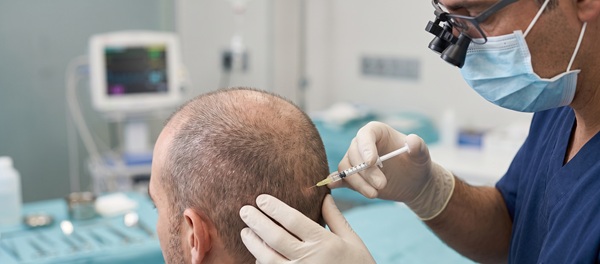
The Role (and Effect) of Adrenaline / Epinephrine
To prolong the numbing effect and prevent rapid absorption of the local anesthetic into the bloodstream, micro-doses of epinephrine (adrenaline) are added to the solution (typically at dilutions of 1:100,000 or 1:200,000).
For anxious patients, epinephrine is often the root cause of discomfort or fear. Upon injection, epinephrine can cause temporary systemic reactions, including:
- A sudden, brief spike in heart rate (tachycardia).
- Mild chest tightness or a feeling of “butterflies” in the chest.
- Transient muscle tremors or slight hand shakiness.
Medical Fact: These sensations are almost always temporary, resolving within 2 to 5 minutes as the body naturally metabolizes the localized adrenaline. However, for patients with pre-existing arrhythmia, severe hypertension, or hyperthyroidism, clinics in Spain adjust the epinephrine ratio or utilize epinephrine-free formulations combined with specialized tumescent techniques.
Dosage Regulations and Safety Limits in Spain
Spain operates under some of the most stringent healthcare mandates within the European Union. Local anesthetics are regulated by the Spanish Agency of Medicines and Medical Devices (AEMPS), adhering to strict maximum threshold guidelines to prevent Local Anesthetic Systemic Toxicity (LAST).
Maximum Recommended Doses for Lidocaine:
| Anesthetic Formulation | Max Dosage per Body Weight | Absolute Max Limit (70kg Adult) |
|---|---|---|
| Lidocaine Plain (Without Epinephrine) | 4.5 mg / kg | 300 mg |
| Lidocaine + Epinephrine (Tumescent Solution) | 7.0 mg / kg | 500 mg |
| Bupivacaine + Epinephrine (Long-acting) | 2.0 mg / kg | 150 mg |
To stay well within safe toxicological limits during massive graft sessions (over 3,500–4,000 grafts), certified Spanish clinics use dilute tumescent technique solutions (modified Klein solutions). By spreading low concentrations of lidocaine over large liquid volumes, the absorption into the systemic circulation is slowed dramatically, keeping blood concentration levels far below safety ceilings throughout the procedure.
Pain Management Innovations: Making Anesthesia Painless
Modern Spanish clinics have invested heavily in technologies specifically designed to eliminate needle phobia and initial injection discomfort.
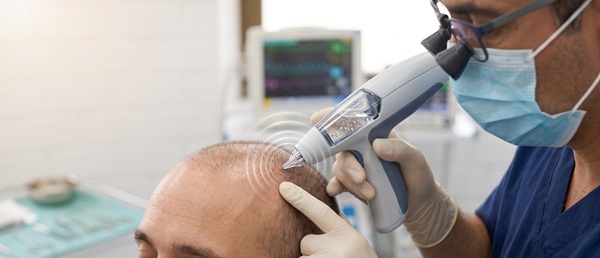
1. High-Pressure Jet Injectors (Comfort / Soft Anesthesia)
Before any needle touches the scalp, medical staff utilize spring-loaded or air-pressure jet injection pens. These devices push micro-droplets of anesthetic solution directly through the skin pores via high pressure in fraction-of-a-second pulses, numbing the superficial layers painlessy.
2. Vibration Distraction (Gate Control Theory)
Many practitioners employ localized tactile vibrators against the forehead or scalp during administration. Based on the Gate Control Theory of Pain, the high-frequency vibration signals reach the brain faster than nerve-pain signals, effectively “closing the gate” and neutralizing the sensation of prickling needles.
3. Conscious Sedation overseen by Anesthesiologists
For high-anxiety patients or those undergoing extensive reconstruction, clinics in accredited Spanish surgical centers offer Monitored Anesthesia Care (MAC) or mild IV sedation. Administered by a board-certified anesthesiologist, the patient remains in a relaxed, sleep-like twilight state while the initial numbing phase takes place, waking up completely pain-free once the scalp is fully desensitized.
Pre-Operative Protocol and Cardiovascular Screening in Spain
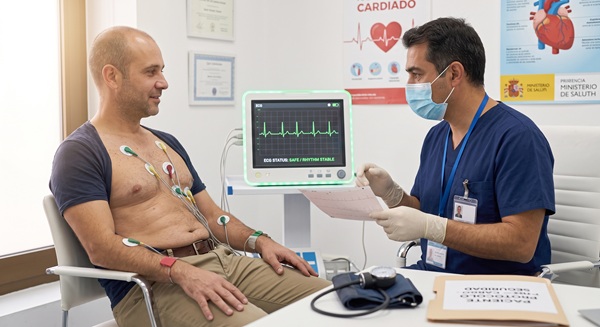
Safety during anesthesia starts long before entering the operating room. Spanish healthcare protocols require comprehensive pre-surgical screening to identify individual risk factors:
- Mandatory Pre-Op Electrocardiogram (ECG): Patients over 40, or those with cardiac histories, undergo an ECG screening to rule out underlying conduction abnormalities before receiving epinephrine.
- Blood Pressure Regulation: Intraoperative monitoring ensures blood pressure remains stable; uncontrolled hypertension is managed prior to starting.
- Allergy Testing: While true allergies to amide-type local anesthetics (like Lidocaine) are extremely rare (<1%), clinics verify history with past dental or minor surgical procedures.
Frequently Asked Questions About Hair Transplant Anesthesia in Spain
Can local anesthesia cause heart attacks or cardiac failure during a hair transplant?
How long does the scalp remain numb after the surgery?
Is IV sedation mandatory for a hair transplant in Spain?
Are hair transplant clinics in Spain required to have emergency resuscitation equipment?
Medical fact-checked by SpainHairIndex Editorial Team
Leave a Reply