
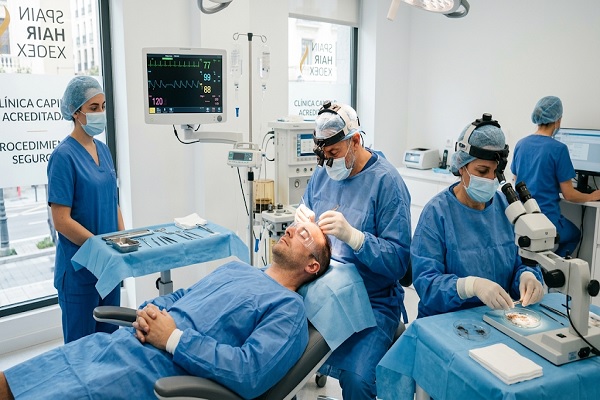
Every year, thousands of people look in the mirror and decide it is finally time to reclaim their hairline, confidence, and youthful appearance. Spain has rapidly emerged as a world-class hub for advanced hair restoration, renowned for its strict European medical standards, highly skilled surgeons, and state-of-the-art facilities. However, scrolling through social media or classified ads reveals an alarming trend: promises of a full, high-density hair restoration for a rock-bottom flat rate. While a bargain price sounds tempting, opting for a €2,000 hair transplant in Spain is often a major red flag that exposes patients to irreversible aesthetic damage and severe physical risks.
Looking for safe and verified medical options?
Compare top-rated, fully accredited clinics across the country in our comprehensive guide: Compare Spanish Hair Transplant Clinics.
The Anatomy of Medical Costs in Spain
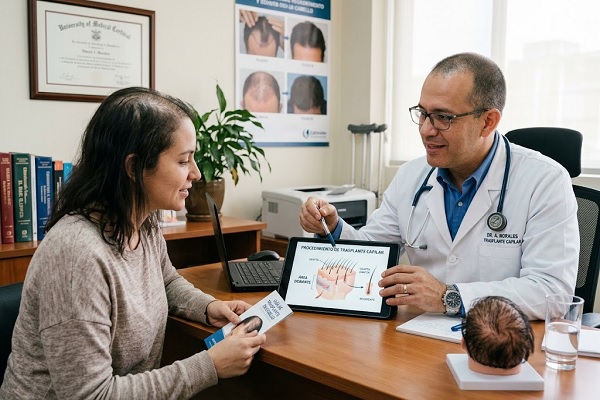
Medical procedures in Europe follow strict safety regulations. High standards protect patients, but they also require continuous investment. A legitimate hair transplant clinic manages substantial fixed overhead expenses for every single intervention.
Surgeon Expertise and Staff Qualifications
A qualified hair transplant surgeon undergoes years of specialized training. Lead surgeons oversee the entire surgical strategy, design the hairline, and manage extraction or implantation. Certified nurses and medical assistants support the physician throughout the long hours of surgery. Fair wages for skilled medical personnel represent a major portion of procedure costs.
Operating Room Standards and Sterile Technology
Proper clinics maintain surgical suites that meet rigorous national health guidelines. Sterile environments prevent dangerous bacterial infections. Clinics must invest in medical-grade air filtration, emergency life-support equipment, autoclaves, and specialized LED surgical lighting. Maintaining these facilities requires high monthly operational budgets.
High-End Instruments and Consumables
Quality procedures use single-use or precision surgical tools. Ultra-sharp sapphire blades and specialized punch tools minimize tissue trauma. Disposable gowns, sterile drapes, local anesthetics, and holding solutions for extracted follicles add measurable costs to every patient session.
How Cheap Clinics Cut Costs: The Dangerous Reality
A €2,000 price tag cannot cover standard operational costs in Spain while maintaining safe conditions. Unscrupulous operators reduce their prices by sacrificing patient safety and surgical quality. Recognizing these shortcuts highlights why a 2000 euro hair transplant Spain red flags warning matters.
- Unlicensed Technicians Performing Surgery: Low-cost facilities often replace qualified surgeons with undertrained staff. Technicians perform incisions and extractions without legal authorization or direct doctor oversight.
- Over-Harvesting Donor Areas: Inexperienced workers harvest hair grafts too quickly. This practice destroys adjacent follicles and leaves permanent scarring on the back of the head.
- Reusing Single-Use Tools: Cheaper establishments save money on disposables. Reusing blunt punches or dull blades damages graft tissue and increases infection risks.
- High-Volume Assembly Line Models: Discount clinics schedule too many patients per day. Staff members hurry through delicate steps, leading to poor follicle survival rates.
The True Price Comparison: Cheap vs. Legitimate Clinics
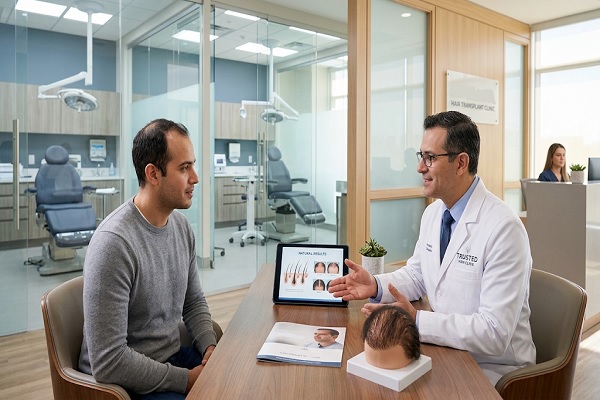
Comparing budget offers against legitimate medical care reveals stark operational differences. The table below outlines what your money actually covers in both scenarios.
| Expense Category | Budget Offer (€2,000) | Standard Accredited Clinic (€4,000+) |
|---|---|---|
| Lead Medical Doctor | Absent or brief greeting only | Directly performs key surgical steps |
| Surgical Staff | Low-cost technicians | Licensed nurses and assistants |
| Surgical Facility | Basic non-certified room | Sterile, accredited surgical suite |
| Post-Operative Care | Minimal or non-existent | Structured medical follow-ups |
Long-Term Risks of Substandard Surgery
Choosing an unsafe procedure leads to severe physical and financial consequences. Fixing a botches operation costs far more than paying for quality care from the beginning.
Permanent Donor Zone Damage
Aggressive extraction destroys healthy donor hair. Once lost, donor follicles never grow back. Over-harvesting leaves visible bald patches across the back and sides of the scalp.
Unnatural Hairline Placement and Low Growth Rates
Unskilled personnel often plant grafts at incorrect angles or unnatural patterns. Poor handling kills delicate grafts before implantation, resulting in patchy, thin coverage.
Severe Infection and Scarring
Unsterile conditions invite aggressive bacterial infections. Severe inflammation damages underlying scalp tissue and creates thick fibrous scars, making future repair procedures impossible.
How to Spot Red Flags Before Booking
Protecting yourself requires careful research before committing to any hair restoration journey. Watch for these warnings during your consultation phase.
- The clinic refuses to provide the full name and license number of the operating surgeon.
- Consultations occur exclusively with sales representatives rather than medical personnel.
- The company promises unlimited grafts for a low flat rate.
- online reviews highlight poor post-operative support or sudden price changes.
- The facility lacks official accreditation from health authorities.
Investing in hair restoration involves changing your appearance forever. Choosing safety over extreme discounts guarantees professional care, natural aesthetic results, and peace of mind.
Frequently Asked Questions
How much does a safe hair transplant usually cost in Spain?
Is a €2,000 hair transplant in Spain ever safe?
Who is legally allowed to perform a hair transplant in Spain?
What happens if my donor area is over-harvested?
Medical fact-checked and reviewed by SpainHairIndex Editorial Board
Leave a Reply